
 HiddenJack
 7Gear
 Winbeast
 EliteSpin
Card values and the deal
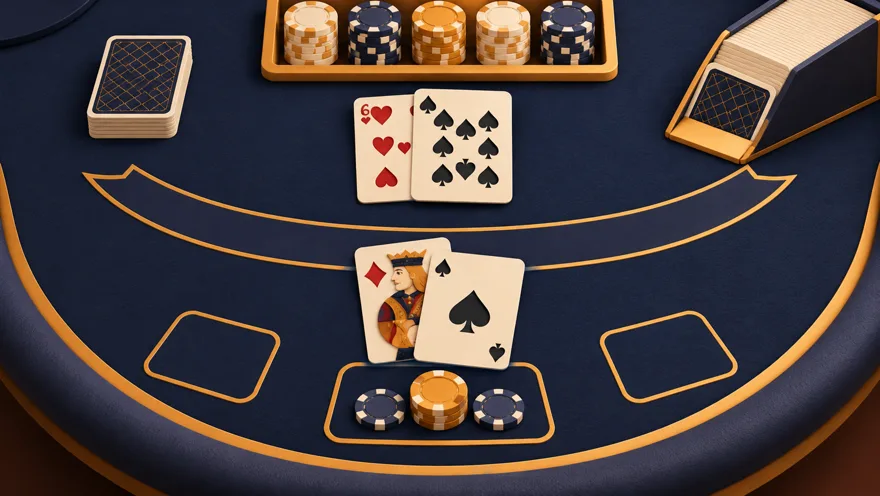
Number cards count at face value, picture cards count as 10 and an ace counts as 1 or 11 where possible. A two-card 21 made from an ace and a ten-value card is a blackjack. It is normally treated differently from reaching 21 with three or more cards.
The player receives cards and chooses among permitted actions. The dealer follows fixed drawing rules published for the table.
Player actions
- Hit: take another card.
- Stand: keep the current total.
- Double: increase the stake under the table rules and receive a restricted draw, commonly one card.
- Split: divide an eligible pair into two hands with an additional stake.
- Surrender: forfeit part of the stake where offered.
Insurance is a separate bet offered when the dealer shows an ace. It carries its own house edge and is not protection that makes the original hand safe.
Variations that change the maths
Check the number of decks, whether the dealer hits or stands on soft 17, blackjack payout, double and split restrictions, and rules after splitting aces. A table paying 6:5 for blackjack is materially different from one paying 3:2. Do not rely on a strategy chart created for different rules.
Live and random-number versions
Live-dealer blackjack and RNG blackjack can share rules but use different delivery systems. Read the information for the actual game and confirm the total stake before each decision. Side bets usually have separate paytables and often a higher house edge.
Treat a session limit as final. Increasing a stake after a loss does not alter the next hand’s underlying probabilities. For broader risk information, see casino games explained.